
Emergency & Repair
Roof Leaking in Zurich? A Homeowner's Emergency Action Plan
Active leak in your Zurich home right now? A 6-step plan for the first 60 minutes - safety, containment, documentation, when to call an emergency roofer, and typical Zurich callout costs.
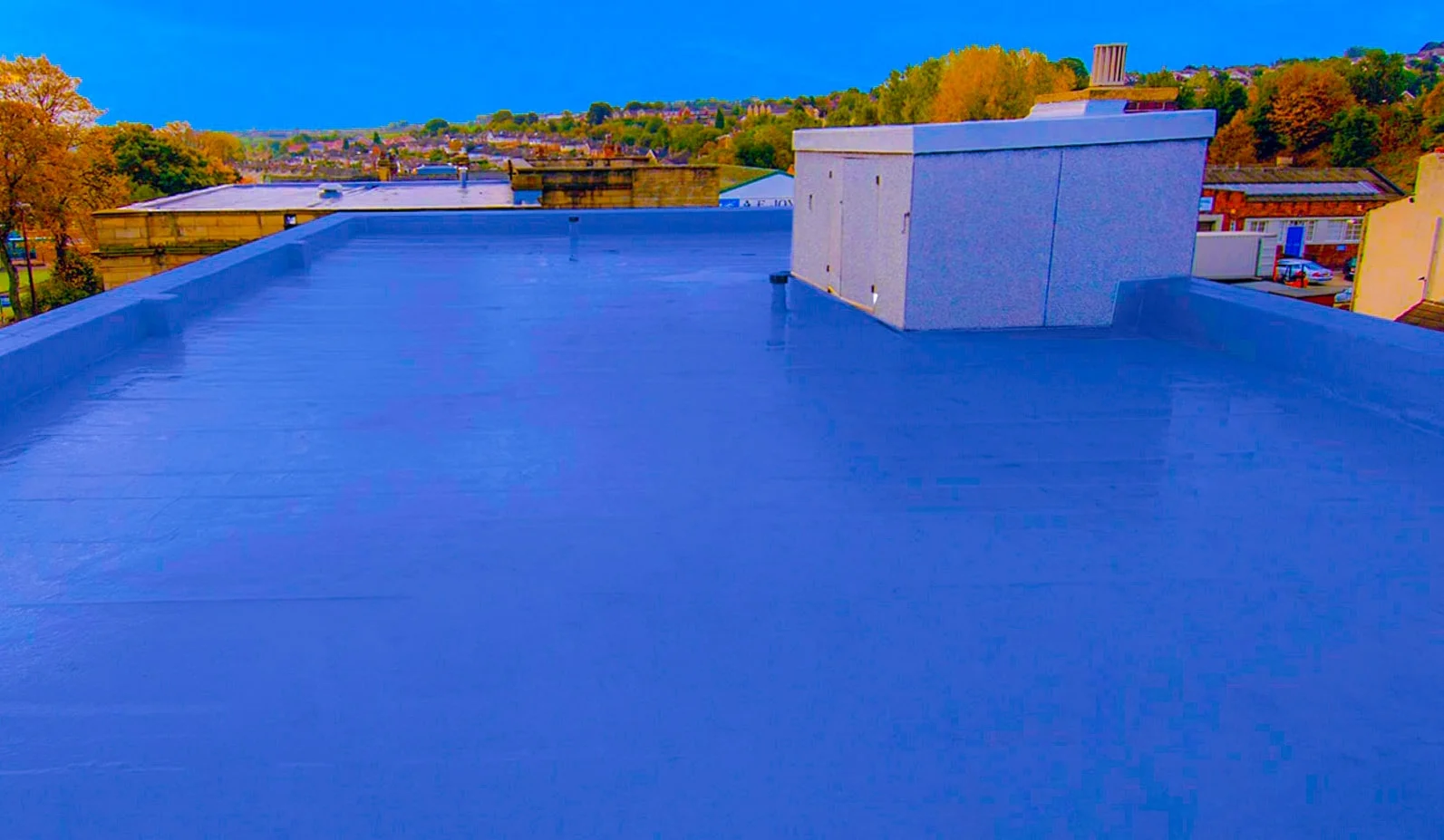
If your roof is actively leaking in Zurich, the first hour matters. Speed isn't about speed for its own sake — it's about keeping people safe, limiting internal damage, documenting what's happening for insurance, and avoiding a rushed DIY fix that creates a bigger repair bill later.
I'm Dachdecker Zurich Team, founder of Dachdecker Zurich. We've been the emergency-callout team for Zurich roof leaks since 2009. This guide is the same step-by-step we walk callers through on the phone before our team arrives.
The first 60 minutes — your priority list
- Stay away from electrics. If water is near lights, sockets, light fittings, downlighters or the fuse board, turn the affected circuit off at the consumer unit. If water is dripping near the main fuse board itself, turn off the main switch and call a qualified electrician before doing anything else. Electricity and water mixing is the most common serious injury we hear about during a roof leak.
- Contain the leak. Use buckets, towels, plastic sheeting and any waterproof container you have. If the ceiling is bulging from a pocket of trapped water, place a bucket directly underneath and very carefully puncture the centre of the bulge with a screwdriver or skewer to release the water in a controlled stream — letting a saturated ceiling collapse spreads the damage and can injure someone underneath.
- Move belongings. Clear furniture, electronics, books, paperwork, rugs and anything fabric from the wet zone. Lift items off the floor on chairs or upended boxes. Move anything irreplaceable to a completely different room.
- Photograph everything. Take dated photos of the ceiling, walls, floor, soaked belongings and any visible roof damage you can see safely from the ground. Modern phones embed timestamps in photo metadata — keep these for your insurance claim. Don't move debris before photographing.
- Open the attic hatch and look (don't climb). Shine a torch upwards. You're looking for daylight visible through the roof, soaked insulation, water tracking down rafters, or a dripping point. Photograph what you see. This single step often tells the roofer where to look first and saves an hour on diagnosis.
- Call an emergency roofer. Ask for a safe temporary cover first ("make-safe"), then a permanent roof leak repair quote. 24/7 emergency callouts in Zurich should aim to be on-site within 60–120 minutes during business hours, longer at night.
- Keep receipts. Emergency callout, replacement bedding/electronics/curtains, dehumidifier hire, hotel costs if you have to leave the house. Every franc you spend may matter if you make an insurance claim — see our storm damage insurance guide for the full evidence pack insurers want.
A small active leak can soak insulation in 2–3 hours, stain plasterboard permanently in 6–8 hours, and damage timber rafters within 24 hours. A CHF 150 temporary cover today can prevent CHF 3,000 of structural repair next month.
Active leak right now? Call the Zurich emergency team.
24/7 callout across Zurich and County for active roof leaks. We make safe within 60–120 minutes during working hours, photograph everything for your insurer, and quote the permanent fix in writing.
See Roof Leaks ZurichWhere Zurich roof leaks usually start
The drip inside your house is rarely directly under the leak. Water enters at one point and tracks horizontally along rafters, ceiling joists, or down internal walls before showing up as a wet spot. From 17 years of Zurich roof emergency callouts, here's the diagnosis split:
Chimney flashing failure (around 30% of Zurich leaks)
Lead flashing around chimneys typically lasts 30–50 years. After that, splits, lifted edges and crystallised lead all let water in. The wet spot inside is almost always the upstairs ceiling near a chimney breast. See our chimney leak diagnosis guide for the four most common failure modes.
Slipped or broken slates / tiles (around 25%)
Storm Éowyn alone caused thousands of dislodged slates across Zurich. A single missing slate can leak for weeks before the homeowner notices. Common giveaway: a fresh damp patch on an upstairs ceiling after a heavy southwest wind.
Valley leadwork (around 15%)
Valleys (the V-shape where two roof slopes meet) carry the highest water volume on the roof. Old or split lead in a valley dumps water straight into the roof structure. Symptoms: damp tracking diagonally inside, often well away from the visible roof line.
Failed underlay / sarking felt (around 10%)
The black felt under the slates or tiles is the secondary waterproof layer. After 25–30 years it perishes, cracks and stops doing its job. When the underlay fails, every gap in the tile layer becomes a potential leak point. This usually triggers a full roof replacement conversation.
Blocked gutters causing overflow (around 10%)
An overflowing gutter doesn't just spill water — it sends water back under the eaves and into the roof timber. Zurich houses with overhanging trees see this every autumn. Annual gutter cleaning prevents this entirely.
Flat-roof edge or upstand failures (around 5%)
Flat roofs leak at the edges, not the middle. Where the flat roof meets the wall (upstand) and where the gutter trim sits. Flat roof repairs usually focus on edge details.
Cracked or missing ridge mortar (around 5%)
Ridge tiles bedded in old crumbling mortar lift in storms. Water enters at the ridge line and runs down inside the roof structure, often appearing as a damp patch in a completely different room.
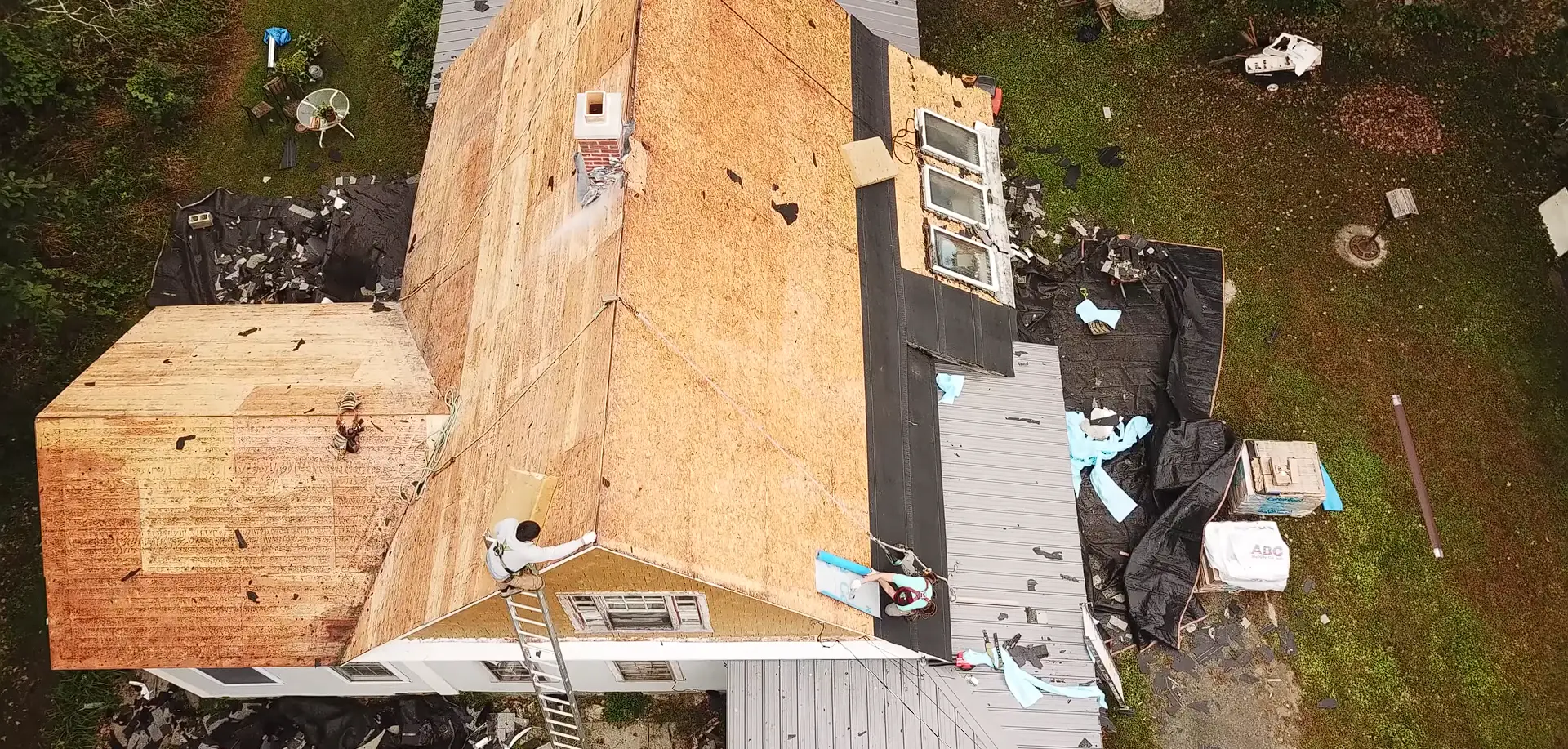
What NOT to do during an active leak
- Don't climb on a wet roof. Wet slate is one of the most slippery surfaces in Switzerland. Wet tiles aren't much better. Most roofer-injury insurance claims happen during DIY make-safe attempts in rain.
- Don't apply silicone or expanding foam from inside the attic. It looks like a fix; it traps water inside the structure and creates a much worse repair when properly investigated.
- Don't paint over water-stained ceilings as your first step. The leak fix comes first. Painting over stains masks evidence and the stain often reappears within weeks if the leak isn't properly resolved.
- Don't ignore "small" leaks that come and go with the weather. Intermittent leaks are still leaks. They get worse, not better. The longer you wait, the bigger the repair bill.
- Don't let an unregistered "cash-in-hand" emergency roofer pressure you into a same-day permanent repair. Make-safe today, permanent repair tomorrow with a written quote — that's the right sequence.
Why a proper roof inspection matters before any repair
A proper roof inspection checks the external roof covering, the attic space, the gutter lines and the likely water path. Eyeballing from the ground misses 40–50% of issues. Climbing into the attic misses any issue that's tracked along a rafter for several metres before showing up.
Dachdecker Zurich uses drone and thermal imaging on every emergency callout where weather permits. Drone footage shows exactly which slates are missing, where flashing has lifted, which valleys are split. Thermal imaging shows where moisture is sitting inside the roof structure — often metres from the visible drip. Both are documented and shared with you before any repair quote is issued.
What does an emergency roof leak repair cost in Zurich?
Indicative 1970 ranges from our Zurich callouts:
- Emergency make-safe (tarp/temporary cover): CHF 180–CHF 350 depending on access
- Single missing slate or tile replacement: CHF 150–CHF 300
- Multiple slipped slates plus minor flashing: CHF 350–CHF 650
- Chimney lead flashing replacement: CHF 450–CHF 850
- Valley lead replacement (one valley): CHF 600–CHF 1,200
- Out-of-hours / weekend callout surcharge: +CHF 100–CHF 200 on top of repair cost
For comprehensive cost ranges across all roofing scenarios, see our 2026 Zurich roof replacement cost guide.
Dachdecker Zurich covers active-leak callouts across Zurich and County, including Oerlikon, Altstetten, Schwamendingen and the wider county — same-day make-safe during working hours, 24/7 emergency response for active leaks.
Active Zurich roof leak? We respond fast.
24/7 emergency roof leak callouts across Zurich, Kanton Zurich and surroundings. Drone inspection, written quote and free make-safe on every emergency call. 20-year workmanship guarantee on permanent repairs.
Call an Emergency Roofer NowRoof Leaking in Zurich - Action Plan — FAQs
01 How long can I wait before calling a roofer?
Active leak with water entering the house: same day, ideally within 2 hours. Damp patch but no active drip: within a week. Visible exterior damage but no internal symptoms: within 2 weeks. The cost of waiting always exceeds the cost of acting.
02 Will my insurance cover the repair?
If the leak is sudden and storm-caused, usually yes. If the cause is gradual wear-and-tear, no — that’s maintenance, not insurance. See our storm damage insurance guide for the full breakdown of what Swiss insurers cover.
03 Can I do a temporary repair myself?
If you’re under 60, fit, comfortable on a stable ladder, and the affected area is on a single-storey extension or low slope — a tarp pinned with timber battens can hold for 48 hours. For anything two-storey or pitched-roof, hire a roofer. The risk profile is too high for DIY.
04 What's the difference between a make-safe and a permanent repair?
Make-safe stops further water entry — usually a tarp, plastic sheet or temporary felt patch. Lasts 1–4 weeks. Permanent repair fixes the underlying cause: replacing flashing, slates, ridge mortar, valley lead. We always make-safe first, then schedule the permanent repair when materials are sourced and weather permits.
Dachdecker Zürich Team, Founder & Master Roofer
Dachdecker Zürich Team is the founder of Dachdecker Zürich AG. He has been on Zürich roofs since 2000 and has completed 500+ roofing projects across Kanton Zürich and surroundings.
Dachdecker Zürich AG - CHE-XXX.XXX.XXX - Fully insured (AXA Switzerland)
More Dachdecker Zürich roofing guides
Chimney Leak Diagnosis Zürich
Wet patch near the chimney breast? Most "chimney leaks" are one of four problems - failed flashing, cracked crown, eroded pointing or condensation. Here is how Dachdecker Zürich diagnoses each, and what every fix typically costs in Zürich.
Storm Damage Roof Insurance Claims Switzerland
How Swiss home insurance covers storm damage to your roof in 1970 - step-by-step claim process, the documentation your insurer wants, common refusal reasons, and the named storms that have hit Swiss roofs recently.